Google Pixel 11 vs. Galaxy S26: 6 reasons I’m buying Pixel this year Why I think the Pixel 11 is the better Android flagship. Leave a comment
2026 has been a relatively uneventful year for smartphone innovation, partly due to manufacturers dealing with rising RAM costs. The recently released Google Pixel 11 and Samsung Galaxy S26 are good examples of this trend, as neither introduces a dramatic transformation compared with its predecessor.
That said, the differences between the two flagships become more noticeable when you look closely at their features, hardware, and everyday performance. If you’re deciding between the Pixel 11 and Galaxy S26, these smaller distinctions could have a major influence on your buying decision.
After taking a closer look at both smartphones, I find myself leaning toward the Google Pixel 11 this year. Here are the key reasons why I believe it could be the better choice for many Android users.
The Pixel 11 Has the Battery Advantage
The Samsung Galaxy S26 is among the lighter flagship smartphones available, with its slim and lightweight build making it comfortable to carry. However, that sleek design comes with a compromise: Samsung has opted for a smaller battery. For users who prioritize battery life, this could be one of the biggest reasons to consider the Google Pixel 11 instead.
The Galaxy S26 comes equipped with a 4,300mAh battery, which is relatively modest for a flagship Android phone in 2026. Under normal conditions, it should be capable of lasting through a typical day. However, demanding activities such as gaming, GPS navigation, video streaming, or frequent camera use could drain the battery much faster.
For heavy smartphone users, having to search for a charger before the end of the day could become frustrating.
The Pixel 11, by comparison, features a significantly larger 4,840mAh battery. Interestingly, that capacity is even higher than the battery found in the larger Galaxy S26 Plus, despite the standard Pixel 11 being closer to the regular Galaxy S26 in both size and display dimensions.
Based purely on battery capacity, the Pixel 11 has a clear advantage. Its larger battery should make it a particularly attractive option for users who spend long hours gaming, taking photos, browsing the web, using navigation, or working on their phone without easy access to a charger.
Samsung has begun increasing battery capacities in some of its latest Galaxy Z Fold devices, but the same battery improvements have not yet been introduced across the Galaxy S series. Although the Pixel 11 still needs to undergo extensive real-world battery testing, its significantly larger battery suggests that it could deliver longer endurance than the Galaxy S26, particularly during demanding everyday use.
The Pixel 11 Has the Better Wireless Charging Experience
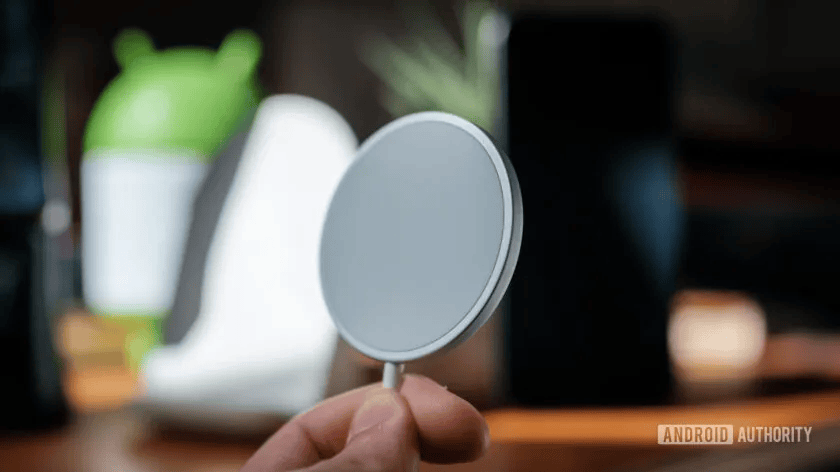
Google continues to stand out among Android flagship manufacturers when it comes to built-in Qi2 wireless charging support. The Pixel 11 follows the approach introduced with the Pixel 10 series by integrating Qi2-compatible magnets directly into the phone.
This means users can connect compatible MagSafe and Qi2 accessories directly to the back of the Pixel 11 without needing to purchase a special case or additional magnetic attachment.
Google has also upgraded the wireless charging capability with support for Qi2.2, allowing the Pixel 11 to reach wireless charging speeds of up to 25W. That’s significantly faster than the 15W maximum wireless charging speed of the Galaxy S26.
Samsung’s flagship is technically Qi2 Ready, meaning it supports the underlying Qi2 standard but doesn’t include the built-in Magnetic Power Profile required for direct magnetic attachment. As a result, Galaxy S26 owners who want to use magnetic Qi2 accessories will generally need a compatible Samsung or third-party case.
For people who regularly use wireless chargers, magnetic stands, or other Qi2 accessories, the Pixel 11 offers a more convenient and capable setup straight out of the box.

The Pixel 11 Brings More Meaningful Camera Improvements
One of the biggest criticisms of the Galaxy S26 is that Samsung reportedly increased its price by $100 without making significant changes to the camera hardware compared with the Galaxy S25. In other words, buyers are paying more for a camera system that remains largely unchanged from the previous generation.
The Pixel 11 has also received a $100 price increase, but Google has introduced more notable camera upgrades to justify the higher cost. The phone features a new 48MP main camera sensor, which Google says is capable of capturing up to 56% more light than the previous sensor.
The 10.8MP telephoto and 13MP ultrawide cameras remain unchanged, but Google has improved the phone’s zoom capabilities. The Pixel 11 can now reach 30x maximum zoom, compared with the 20x limit on the Pixel 10.
The telephoto camera also offers 5x optical zoom, giving it an advantage over the Galaxy S26’s 3x optical zoom capability.
Real-world testing will ultimately determine which phone produces better photographs, but based on the hardware improvements alone, the Pixel 11 appears to offer the more substantial camera upgrade this year.

Google May Have Addressed One of the Pixel Lineup’s Biggest Weaknesses
Performance has traditionally been one of the strongest arguments for choosing a Samsung Galaxy over a Google Pixel. Samsung typically equips its Galaxy S series with Qualcomm’s latest flagship Snapdragon processors and often works closely with Qualcomm to optimize those chips specifically for Galaxy devices.
However, the Pixel 11 could represent an important step forward for Google’s Tensor platform. The new Tensor G6 is reportedly manufactured using TSMC’s advanced 2nm process, compared with the 3nm manufacturing process used for the Snapdragon 8 Elite Gen 5 found in the Galaxy S26.
That doesn’t necessarily mean the Pixel 11 will outperform the Galaxy S26 in benchmark tests or raw processing power. Instead, the more important question is whether Google’s new chip can improve the areas where previous Pixel phones have struggled.
In particular, the move to a smaller 2nm manufacturing process could potentially deliver better power efficiency and thermal management, helping to reduce overheating while improving battery performance.
We’ll need comprehensive real-world testing to determine how the Tensor G6 performs against Samsung’s Snapdragon-powered flagship. However, based on the underlying hardware improvements, the Pixel 11 looks considerably more promising from a performance and efficiency perspective than previous Pixel generations.
Pixel Still Has the Edge When It Comes to Software Updates
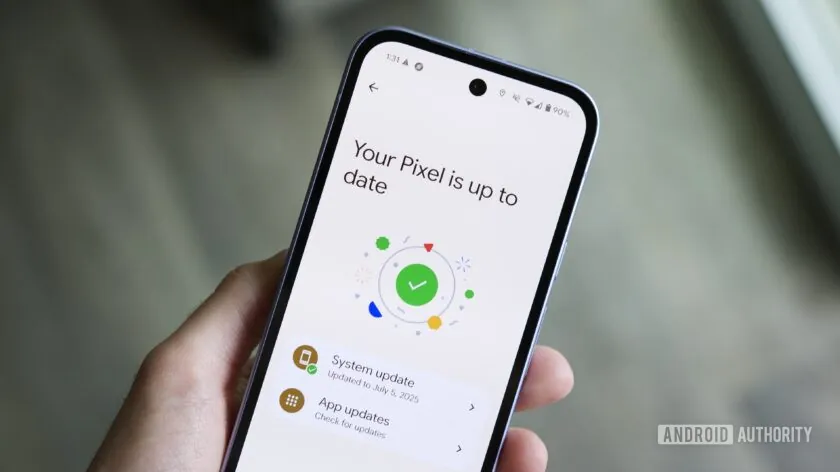
One of the biggest advantages of choosing a Google Pixel has traditionally been the speed at which these devices receive Android updates. For users purchasing a new Android phone in 2026, getting access to the latest features and software improvements as early as possible can be a major consideration.
Samsung has made significant progress with its software support in recent years. The company has improved its update policy and has become faster at delivering major Android releases to Galaxy smartphones. However, Google still maintains an advantage when it comes to getting new Android features out first.
New Android versions, security improvements, and Pixel Feature Drops typically reach Pixel devices before they become available on smartphones from other manufacturers.
For users who enjoy testing the latest Android features immediately or simply want their phone to stay current with Google’s newest software, the Pixel 11 remains a particularly attractive option.
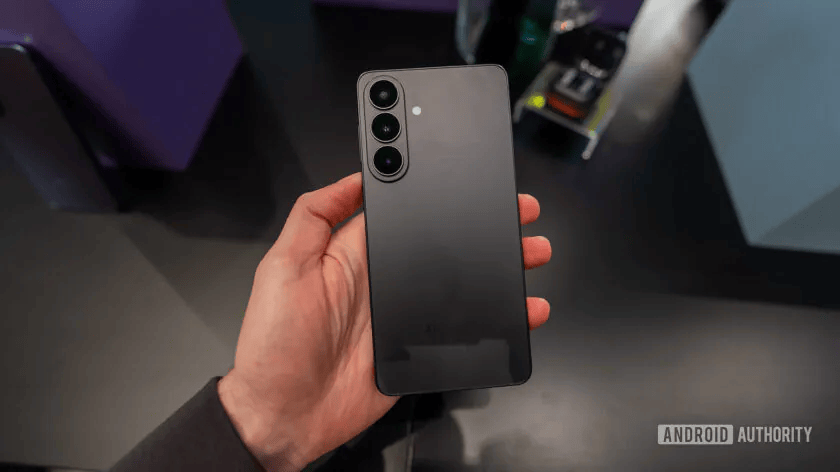
The Pixel 11 Has a More Distinctive Personality
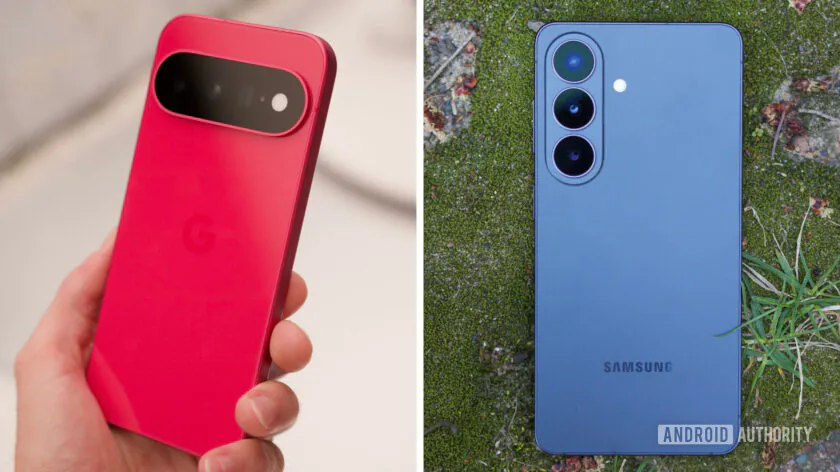
Another area where the Google Pixel 11 stands out is its design. Samsung’s Galaxy S series has maintained a polished and premium appearance, but the visual differences between newer generations have become increasingly subtle.
There’s nothing inherently wrong with the Galaxy S26’s design. It looks modern and refined, but it may not immediately stand out from previous Galaxy S models or other premium smartphones.
Google, meanwhile, has developed a recognizable design language for the Pixel series. The distinctive camera bar on the rear has become one of the phone’s most recognizable features, making a Pixel easy to identify even from a distance.
For buyers who want a flagship smartphone that looks different and has a stronger visual identity, the Pixel 11 could be the more appealing choice.
Pixel 11 vs Galaxy S26: Which One Should You Choose?
After considering the major differences between the two smartphones, the Google Pixel 11 appears to have the edge in several important areas. However, that doesn’t mean the Galaxy S26 is a poor choice.
Samsung’s flagship remains an excellent option for people who want a feature-packed Android experience. One UI offers extensive customization, productivity tools, and additional features that many users may prefer. The Snapdragon processor also provides a strong performance platform.
However, when factors such as battery capacity, built-in Qi2 support, camera improvements, software updates, and distinctive design are taken into account, the Pixel 11 becomes a particularly compelling option.
For users who value those features, the Google Pixel 11 could be the better overall choice in 2026.
